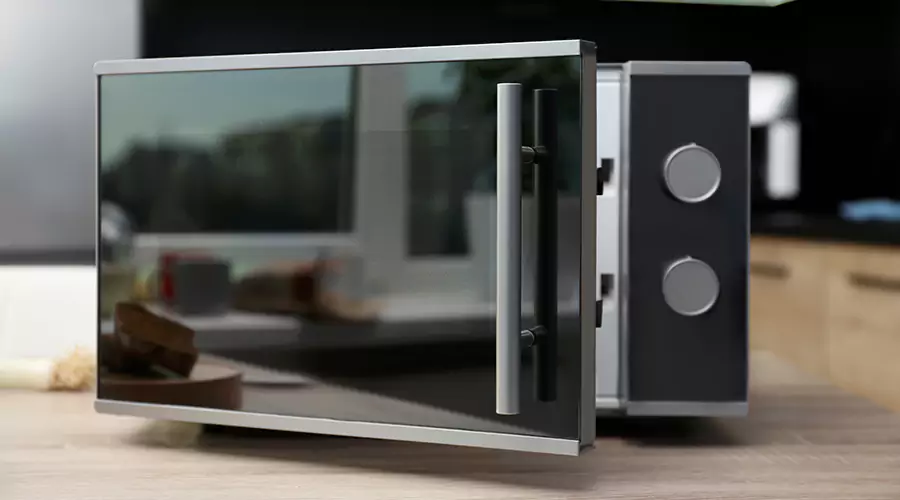
The microwave oven vs microwave question has a simple answer. Both terms usually describe the same kitchen appliance. The full name is microwave oven because the appliance uses microwave energy inside an oven cavity to heat food.
Most people say microwave in daily conversation. Product manuals and appliance listings often use the full term microwave oven.
Quick Answer
The microwave vs microwave oven difference comes down to wording. A microwave oven is the full appliance name. A microwave is the shorter name people use at home.
Both terms point to the same appliance in most shopping cooking and repair conversations. The difference does not change how the appliance heats food.
Difference Between Microwave and Microwave Oven
The difference between microwave and microwave oven depends on context. Microwave can describe electromagnetic energy or the appliance on the counter.
Microwave oven always means the appliance itself. For homeowners the term choice matters most when reading manuals comparing models or ordering parts.
Microwave and Microwave Oven Comparison
This kitchen appliance comparison explains how common terms fit everyday use.
| Term or Type | What It Means | Best Use |
|---|---|---|
| Microwave | Common short name for the appliance | Everyday cooking and reheating |
| Microwave oven | Full appliance name | Product listings and manuals |
| Standard microwave | Basic heating and reheating unit | Fast meals and leftovers |
| Countertop microwave | Portable microwave for counters | Apartments and small kitchens |
| Built-in microwave oven | Installed microwave design | Finished kitchen layouts |
| Convection microwave oven | Microwave with convection heat | Browning, baking, and crisping |
What Is a Microwave?
A microwave is a kitchen appliance that heats food with microwave energy. It works faster than a full size oven because it heats water molecules inside food.
A practical microwave appliance guide looks at size wattage controls placement and cooking features. These details matter because a small low power unit works differently than a larger model with sensor cooking.
What Is a Microwave Oven?
A microwave oven is the full technical name for the appliance. The term appears in manuals product labels installation guides and repair documents.
Common microwave oven uses include reheating leftovers warming drinks defrosting frozen food steaming vegetables and melting butter. Advanced models also support browning baking and crisping when they include convection heat.
How Microwave Cooking Works?
Microwave cooking uses electromagnetic waves that move water molecules inside food. That movement creates heat and warms the food quickly.
Foods with more moisture heat faster than dry foods. Dense foods need stirring turning or resting time so heat spreads through the center.
Common Microwave Oven Types
Modern microwave oven types fit different kitchens and cooking habits. The right type depends on counter space cabinet design and how often you cook full meals.
A standard microwave handles basic reheating defrosting and simple cooking. This model works well for leftovers snacks frozen dinners and drinks.
A countertop microwave sits on a counter and plugs into a standard outlet. This style fits apartments dorm rooms offices and small kitchens because setup takes little effort.
A built in microwave oven installs inside cabinetry or a wall opening. This option gives the kitchen a finished look and requires correct clearance ventilation and installation hardware.
A convection microwave oven combines microwave heating with fan assisted hot air. This model browns crisps and bakes better than a basic microwave.
Main Microwave Oven Benefits
The main microwave oven benefits include:
- A microwave reheats leftovers quickly.
- A microwave helps defrost frozen food faster.
- A microwave uses less space than a full-size oven.
- A microwave can reduce meal prep time.
- A microwave is useful for small kitchens and offices.
Important Features to Check
Useful microwave features include power levels presets timers turntables child locks sensor cooking and defrost settings. Sensor cooking reads steam and adjusts the heating time.
A turntable improves heat coverage. Interior lighting helps you watch food while it heats.
Cooking Tips for Better Results
Helpful microwave cooking tips improve texture safety and cleanup. Use microwave safe containers only and cover food lightly to reduce splatter.
Stir soups sauces and leftovers during longer heating cycles. Let food rest briefly after heating so the temperature evens out.
Better Cooking Habits
- Use lower power for delicate foods.
- Stir food halfway through longer heating cycles.
- Place thick food toward the outside of the plate.
- Avoid metal unless the manual clearly allows it.
- Clean spills before they harden inside the cavity.
Microwave Buying Guide
A smart microwave buying guide starts with size power placement and cooking needs. Choose a compact model for small spaces and a larger model for family plates.
Higher wattage heats food faster. Interior capacity matters when you use wide dishes or tall containers.
Kitchen Placement Guide
A practical kitchen microwave guide covers placement ventilation safety and cleaning. Countertop models need stable counter space and open vents.
Built in and over the range models need correct cabinet clearance. Follow the installation instructions because poor airflow shortens appliance life.
Appliance Buying Tips
Useful appliance buying tips protect you from choosing the wrong unit. Measure the space before buying and check the door swing.
Compare wattage capacity controls and interior size. Think about how often you cook real meals instead of only reheating leftovers.
When to Choose a Basic Model?
Choose a basic microwave when you mostly reheat food warm drinks and defrost frozen items. This option works well for renters small households and offices.
A standard unit costs less than advanced models and takes less setup time. It fits buyers who want simple daily performance.
When to Choose a Convection Model?
Choose a convection model when you want browning light baking and crisping in one appliance. This option replaces some toaster oven tasks in smaller kitchens.
Convection models cost more than basic units. The added cooking modes make sense for people who want more than reheating.
Microwave Maintenance
Regular microwave maintenance keeps the appliance cleaner and safer.
Easy Maintenance Tips
- Wipe the interior after splatters.
- Wash the turntable with mild soap.
- Keep vents clear around the appliance.
- Check the door latch for smooth closing.
- Replace damaged accessories with correct parts.
When Microwave Repair Is Needed?
A basic microwave repair guide helps you know when to stop using the appliance. Unplug the unit if it sparks smells electrical or makes loud buzzing sounds.
If the microwave runs but does not heat the magnetron diode capacitor or control system needs testing. Internal microwave repair belongs to a trained technician because high voltage parts hold a dangerous charge.
Final Thoughts
Microwave and microwave oven usually mean the same appliance. Microwave is the common short name while microwave oven is the full product name.
Choose a standard model for simple reheating and defrosting. Choose a convection model when you want browning baking and extra cooking modes.